
A renovation variation in Sydney is a change to building work that was previously agreed in a residential building contract. It might be a different tile, another power point, moving a doorway or dealing with concealed damage that could not be assessed before demolition. The practical issue is not simply whether a change sounds worthwhile. It is whether everyone understands what is changing, how much it will cost, whether it affects the program and who has authorised it.
Homeowners often hear the word ‘variation’ when the kitchen has been stripped out or the builder is waiting for a decision. That can create pressure to agree quickly. A better process starts before the project begins: record the scope clearly, understand allowances and establish how requested or necessary changes will be documented. EW Homes’ home renovation service involves the coordination of construction decisions, but every property still needs its own drawings, investigations and contract arrangements.
This guide explains how to prepare for renovation variations in Sydney, what to ask when a proposal arrives and how to keep a simple record. It is general homeowner guidance, not a substitute for legal advice, engineering or a review of your particular signed contract.
First, understand what is actually changing
Start by comparing the proposed work with the signed contract documents. Those documents may include drawings, a specification, scope of works, quotation inclusions, allowances, schedules and approved variations. A request for a different finish is not the same as correcting defective work, and an item that was already included should not be treated as a new addition without a clear explanation.
Ask the builder to point to the original requirement, show the new requirement and describe the reason for the difference. This makes the discussion factual. If the cabinetry colour changes, perhaps only the door finish and order are affected. If a partition shifts, the change might also affect flooring, joinery, structural design, services and approvals.
The NSW Government’s guidance on residential building contracts distinguishes additions from variations and explains that variation documents should describe the cost implications and the effect on the overall contract price. Check the document against your own contract rather than relying on a verbal summary.
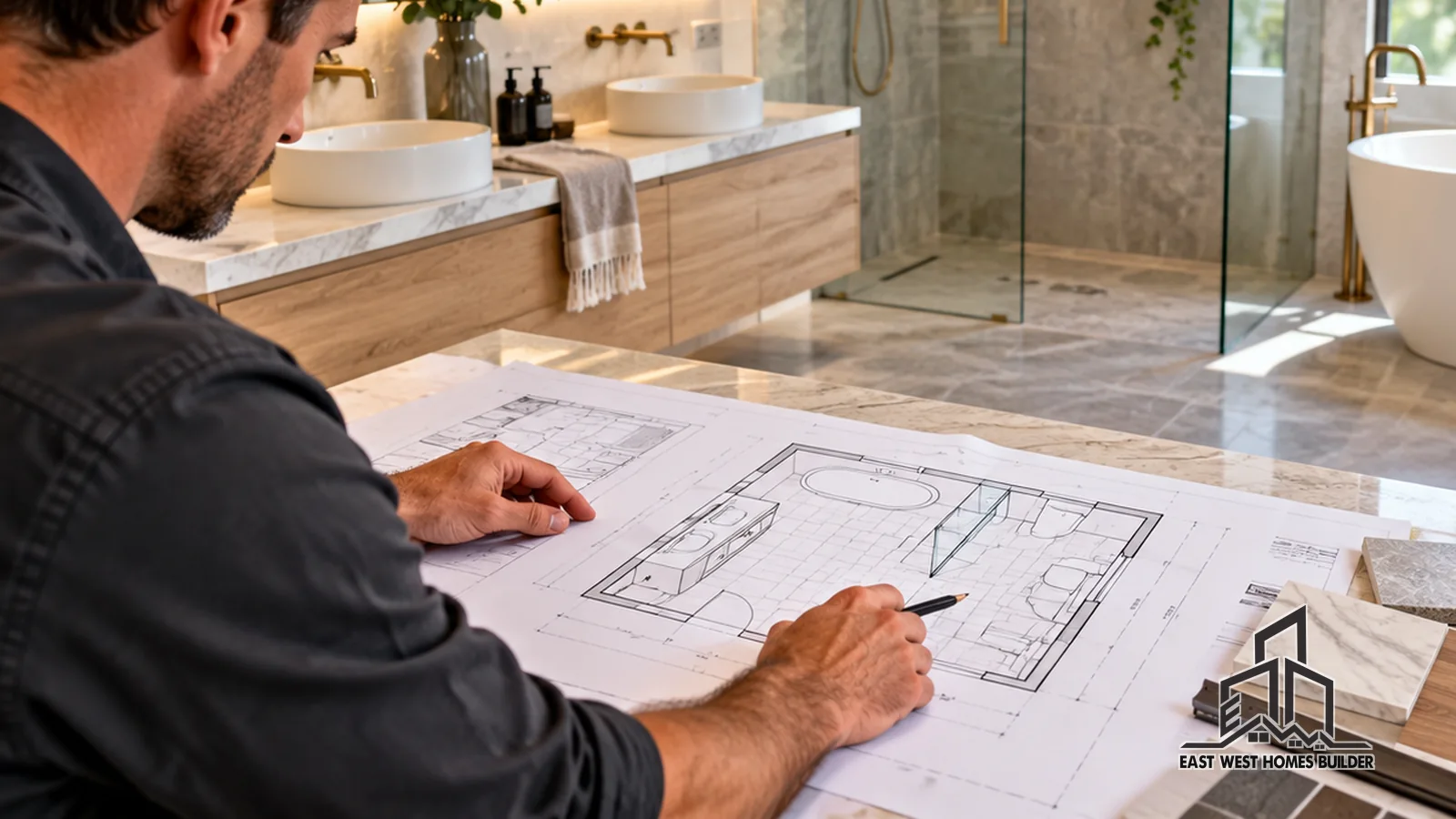
Seven questions to ask before approving a variation
1. Is this additional work, substituted work or omitted work?
A variation can add work, replace a specified product or delete something from the original scope. These outcomes should not be priced in the same way. If an expensive product is removed, ask how the credit is calculated. If it is replaced with another, compare the full installed difference rather than looking only at the new supply price.
2. What triggered the change?
Separate a homeowner’s preference from an unknown existing condition, a consultant’s revised design or an authority requirement. For instance, damp or deteriorated substrate discovered behind tiles deserves a different investigation from choosing a larger vanity after ordering the original one. Ask what evidence supports the change and whether another compliant solution exists.
3. What exactly is included in the proposed price?
Request an itemised description where appropriate: materials, quantities, labour, access, demolition, waste disposal, subcontractors, protection, any applicable margin and GST treatment. The amount that matters is the net change to the contract, including credits for omitted items. Do not assume that the figure on a supplier’s product page is the installed variation price.
4. Does the proposal change the completion date?
Ask whether approval, special orders, inspections or trade sequencing will affect the works. A late window change can hold up cladding or plastering; a different kitchen benchtop might change templating dates. Request the proposed extension of time, if any, and ask what has to happen for the revised program to remain realistic.
5. Do the plans, approvals or consultants need updating?
Moving a structural opening, wet-area layout or external door can affect more than the builder’s site instructions. Check whether the structural engineer, designer, certifier, relevant authority or waterproofing documentation needs revision before work proceeds. A variation does not remove the need to satisfy approvals or construction requirements.
6. Who can authorise it?
Clarify the people named in the contract and the communication method used for formal approval. A casual site conversation or group-chat reaction is not a reliable substitute for a documented, authorised change. For NSW residential contracts, the government advises that variations be recorded in writing and signed by the contracting parties or their authorised representatives, with limited exceptions for urgent hazards or property protection.
7. What happens if you choose not to proceed?
There may be a compliant alternative, a product that matches the original allowance or an opportunity to defer an optional upgrade. Where the work is necessary for safety or compliance, a builder should explain why simply continuing with the original design is not appropriate. Ask for the alternatives, costs and consequences in writing.
Use a simple variation register throughout the renovation
A one-page register can prevent small decisions from disappearing into messages and invoices. Keep it alongside the latest drawings and selections schedule. It should be understandable to the homeowner, site supervisor and contract administrator.
| Field to record | What to write |
|---|---|
| Reference | V01, V02 and the date raised |
| Original requirement | Drawing, specification or contract item being changed |
| Proposed change | Clear description, revised documents and reason |
| Financial effect | Added cost, omitted-work credit, margin and GST treatment |
| Program effect | Ordering or construction implications and proposed time change |
| Approval | Required signatures, date and status |
| Close-out | Revised drawings, completed work and invoice reference |
The register is a tracking aid, not a replacement for the formal signed variation document required under the contract. Keep ‘proposed’, ‘awaiting information’, ‘approved’ and ‘rejected’ clearly separate. A decision should not be recorded as approved merely because a price was discussed.
Common Sydney renovation variations worth anticipating
Hidden conditions in older homes
Opening up existing work may uncover deteriorated timber, poorly connected services, uneven substrates, previous unapproved alterations or moisture damage. Not every concealed condition can be known before demolition, but pre-construction investigations can reduce uncertainty. Discuss access for testing, asbestos assessment where relevant and the process for pausing work when new risks appear.
For disruption and safe occupancy decisions, our guide to staying in your house during a Sydney renovation explains why construction stages and essential services matter as much as the number of available bedrooms.
Product substitutions and finish upgrades
Tiles, tapware, hardware, appliances and joinery finishes are frequent decision points. Substituting one product can alter installation labour, lead times, waterproofing details or adjacent finishes. Confirm the exact model, colour, dimensions, supplier and the date by which the selection must be finalised. If a selected product is discontinued, ask for the original allowance and the price difference to the proposed substitute.
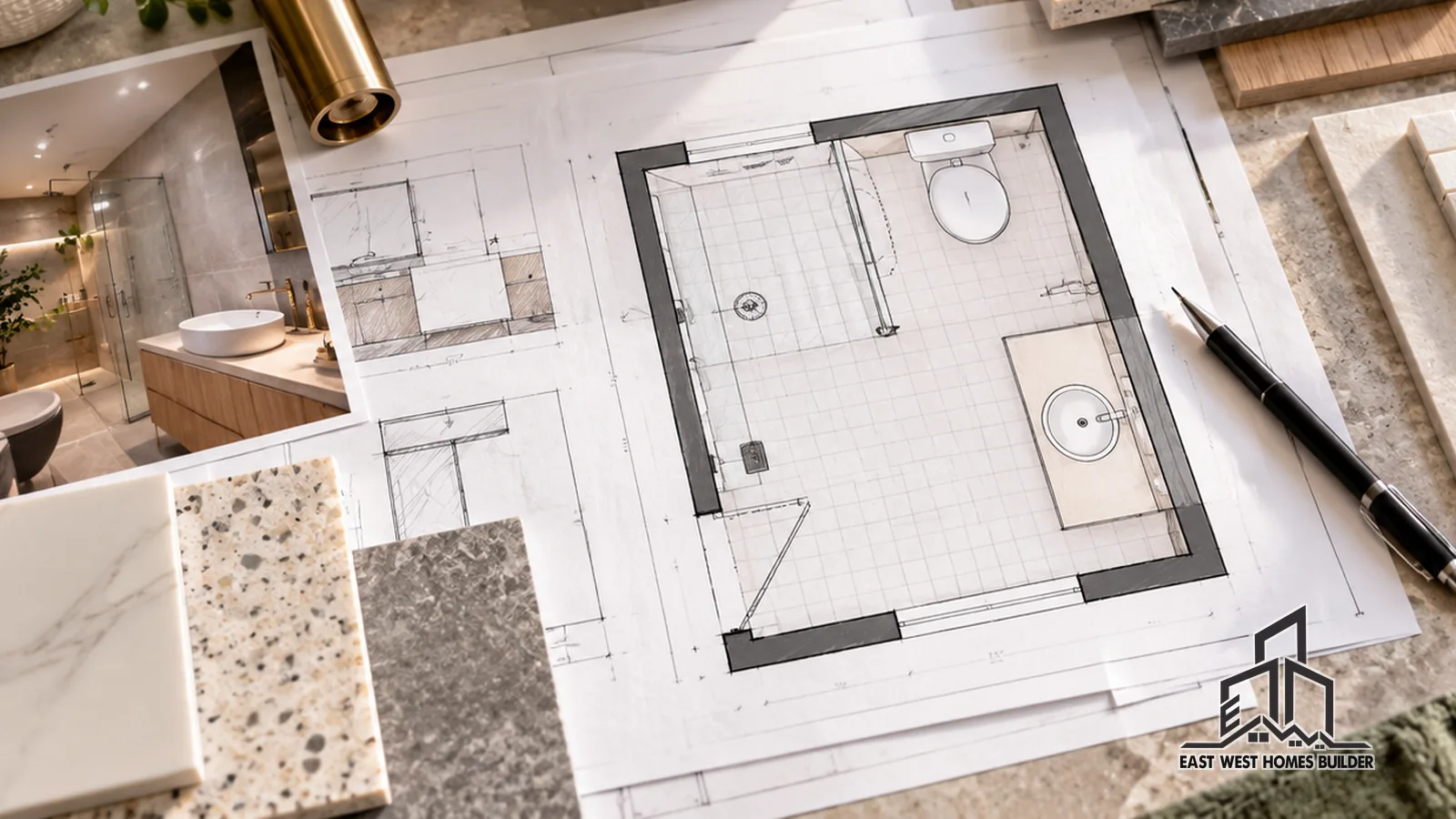
Layout changes after demolition starts
Removing more wall than originally planned may appear to open up a room, but the new load path, beams, supports, finishes and services all need consideration. Compare those consequences with a less extensive opening. Our open-plan renovation wall-removal guide explains how homeowners can frame that decision before requesting a structural assessment.
Changes to plumbing and electrical positions
Relocating a sink, shower or island power supply can require opening areas that were not in the initial scope. Document not just the new fixture location but the work needed behind walls and below floors, inspections, making good and any delay caused by the change. The simplest-looking plan revision is not always the simplest construction revision.
Variations versus allowances and contingency
Three terms are often confused: the contract scope, an allowance and a contingency. The scope defines what has been agreed. An allowance is a nominated amount for an item or uncertain work where the exact final value may not yet be settled. A contingency is a homeowner’s budget reserve for genuine unknowns. Spending a contingency does not automatically make every additional invoice reasonable or authorised.
Before signing a quotation, use our renovation quote comparison checklist to compare inclusions, exclusions, prime cost items and provisional sums. Our home renovation budget checklist also helps distinguish essential works, upgrade preferences and a realistic reserve.
For residential building contracts in NSW, Building Commission NSW’s contract guidance describes the written, signed agreement requirements for changing plans, specifications and the work. It is worth reading before the first variation arises, especially on a substantial renovation.
What to do when a change is urgent
Sometimes a site condition raises an immediate safety or property-damage issue. The builder should explain the risk, what temporary protective action is needed and how the owner will receive the documentation. NSW Government guidance recognises a limited exception to prior written variations when waiting would likely endanger people or damage property; this is not a general shortcut for ordinary choices or late product decisions.
Keep a dated record of photographs, instructions, observations and follow-up documents. If you disagree about what the contract requires or who should pay, preserve records and consider independent contractual or technical advice. Continuing work without clarifying a significant dispute can make later resolution harder.
Before you accept the next change: a homeowner checklist
- Find the signed scope item or drawing being altered.
- Ask why the change is necessary and whether there is a suitable alternative.
- Request a detailed written variation and any updated sketches or specifications.
- Check additions, credits, allowances, GST and margin treatment.
- Ask about ordering deadlines, the construction sequence and completion time.
- Check whether an engineer, certifier or approval documents need updating.
- Confirm authorised signatures before non-urgent changed work starts.
- Store the approved notice and update your running project budget.
It helps to nominate one decision-maker in the household and set a practical turnaround time for choices. That does not mean rushing. It means ensuring questions are answered before the builder reaches a stage that depends on the selection. Clear written decisions support a calmer relationship on site.
Frequently asked questions
Can a builder make a renovation variation without asking me?
For ordinary NSW residential contract variations, the government guidance requires a written agreement signed by the relevant parties. There is a narrow exception where urgent work is necessary to avoid danger or property damage. Read your signed contract and obtain advice on any disputed facts rather than assuming all situations are identical.
Are unexpected problems automatically my cost?
No single answer covers every contract or hidden condition. Ask what caused the problem, what work was in the original scope, what the contract says about latent conditions and whether there is evidence of defective work or an existing hidden issue. NSW guidance says owners should not pay extra to correct problems caused by the builder’s or tradesperson’s own fault.
Can a variation reduce my renovation price?
Yes. Omitting or changing work may produce a credit, depending on the contract and the amount of work or materials already committed. Ask for the net adjustment and any cancellation or restocking implications to be documented rather than assuming the full original item amount will be refunded.
Will every variation delay completion?
No. Some substitutions are straightforward, while changes that affect specialist ordering, structure, inspections or multiple trades can move the completion date. The written proposal should explain any requested time adjustment and relevant dependencies.
How early should I finalise finishes?
Before orders and dependent trade work are due. Ask for a selections schedule that includes decision dates for windows, doors, cabinetry, tiles, appliances and fixtures. The critical date varies with supplier lead times and the site program.
Discuss a well-defined Sydney renovation with EW Homes
If you are planning a substantial renovation, bring your existing drawings, wish list, preferred finishes and budget assumptions to the first discussion. EW Homes can help you frame a clear construction brief, identify questions for the relevant consultants and understand which scope items need more information before quotation. Contact EW Homes to discuss your Sydney renovation and the next sensible step.
Sources and further reading: NSW Government — residential building contracts; Building Commission NSW — contract requirements; Building Commission NSW — scope and contract price changes.